01/29/2026
Farm Financing Smarter, Not Harder: Choosing the Right Agricultural Loans For Your Business
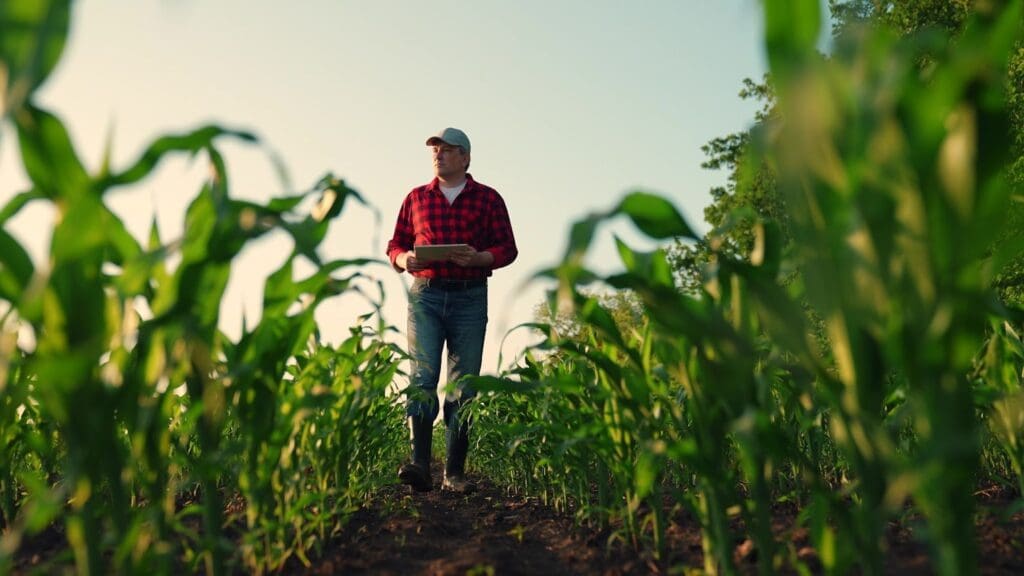
Navigating the financial landscape of agriculture can often feel as complicated as managing a tricky harvest. The economic impact of agriculture and farming in Lancaster County, Pa., and surrounding areas continues to grow, and in today’s competitive environment, your farm’s success increasingly depends on financing smarter.
Choosing a community bank for your agricultural loans is critical because they offer local decision-making and a deep, specific understanding of regional agricultural cycles that one-size-fits-all banks simply cannot match. Continue reading to learn about the different types of agricultural loans Bank of Bird-in-Hand offers so you can select the loan structure that best aligns with your business goals and seasonal cash flow.
6 Types of Agricultural Loans
Choosing the right agricultural loan is a crucial business decision that impacts the pace and sustainability of your farm’s growth. Understanding the roles of different types of agricultural loans helps you ensure you secure a stronger, more profitable future for your farm. Below, we’ve provided five types of agricultural loans we offer at Bank of Bird-in-hand and each of their unique benefits.
- Farm Ownership Loans
Serving as a long-term investment, farm ownership agricultural loans are great tools for farmers looking to purchase, expand, or refinance their land holdings. These loans give agricultural businesses the financial foundation to grow. Lenders support this growth by offering options like fixed or adjustable interest rates and customizable repayment plans that reflect the farm’s operating income cycle.
Key Benefits of Ownership Agricultural Loans:
- Land Ownership & Equity: You gain full ownership of the land, which builds equity, serves as a powerful asset on your balance sheet, and allows you to pass wealth to the next generation.
- Long-Term Stability: Owning the land eliminates the risk of fluctuating or terminating lease agreements. It provides long-term operational stability and control over your farm’s future investments and management practices.
- Asset Appreciation: Farmland historically tends to appreciate over the long term, creating a valuable asset that hedges against inflation and increases the farm’s net worth.
- Customized & Long Terms: Loans often feature longer repayment terms, which significantly lowers the annual debt service, making the farm’s cash flow more manageable. For example, Bank of Bird-in-Hand offers up to 25 years of amortization.
- Used for Improvements: Funds can be used not just for the purchase, but also for making long-term capital improvements, such as constructing buildings, installing irrigation systems, or implementing soil and water conservation projects.
- Equipment Loans
Agricultural equipment loans enable farms to purchase expensive, essential machinery, like tractors, harvesters, and irrigation systems, without straining their immediate cash flow. Plus, because the machinery itself often serves as collateral, you eliminate the need for additional security.
Furthermore, agricultural equipment loans feature repayment terms that match the useful life of the equipment, for example, a 5-year loan for equipment with a 5-year life expectancy.
Key Benefits of Agricultural Equipment Loans:
- Preserve Working Capital: Allows you to purchase expensive, critical machinery like tractors, harvesters, or irrigation systems, without draining your business savings, which can be used for operating costs, seed, or payroll.
- Immediate Efficiency: You immediately get the benefit of modern machinery, which boosts how much you can produce while also making your daily operations cheaper.
- Ownership and Equity: You own the asset outright once the loan is repaid. The equipment can be a valuable asset on your balance sheet and potentially be used as collateral for future financing needs.
- Tax Advantages: Interest payments on the loan may be tax-deductible, and tax provisions like Section 179 often allow you to deduct a large portion of the equipment’s cost in the first year, providing significant tax savings. Be sure to consult with your tax professional to understand what tax benefits are available to you.
- Customized Terms: Specialized agricultural lenders may offer flexible repayment schedules that align with your farm’s income cycles, for example, annual or semi-annual payments coinciding with harvest.
- Fixed Cost: A typical agricultural equipment loan has a fixed interest rate over the term, transforming a large capital expenditure into predictable, manageable monthly/annual expenses for easier budgeting.
- Farm Improvement Loans
These agricultural loans are specific loans for long-term improvements to your property. Farm improvement loans are used to pay for large projects such as constructing or renovating barns and storage facilities, installing new irrigation systems, updating fencing, or implementing soil and water conservation measures.
Unlike operating agricultural loans for seeds or fuel, improvement loans cover fixed assets and typically have intermediate to long repayment terms that align with the lifespan and anticipated financial returns of the upgrade.
Key Benefits of Agricultural Improvement Loans:
- Increased Productivity & Revenue: Funds enable investments that directly boost yield, efficiency, and revenue by improving growing conditions or animal health. For example, new irrigation, climate-controlled barns, or drainage/ tile installation
- Enhanced Property Value: Unlike mobile equipment, these improvements (like new grain bins, fences, permanent structures) are often permanently affixed to the land, increasing the overall value and resale potential of the farm real estate.
- Specialized Repayment Terms: Lenders often offer intermediate to long-term financing (typically 7 to 25 years) with fixed or flexible payment options that align with the anticipated lifespan and payback period of the improvement project.
- Energy & Sustainability Gains: Loans can finance upgrades that reduce long-term operational costs, improve soil and water management. For example, installing renewable energy sources or implementing advanced conservation practices
- Improved Safety & Operation: Funds can be used to modernize existing facilities, build safer handling pens, construct more efficient access roads, or update housing, leading to a safer and more streamlined working environment.
- Collateral Flexibility: The improvement itself, as well as the underlying real estate, often serves as sufficient collateral, potentially freeing up other assets (like existing equipment or livestock) to be used as collateral for other loans.
- Farm Lines of Credit
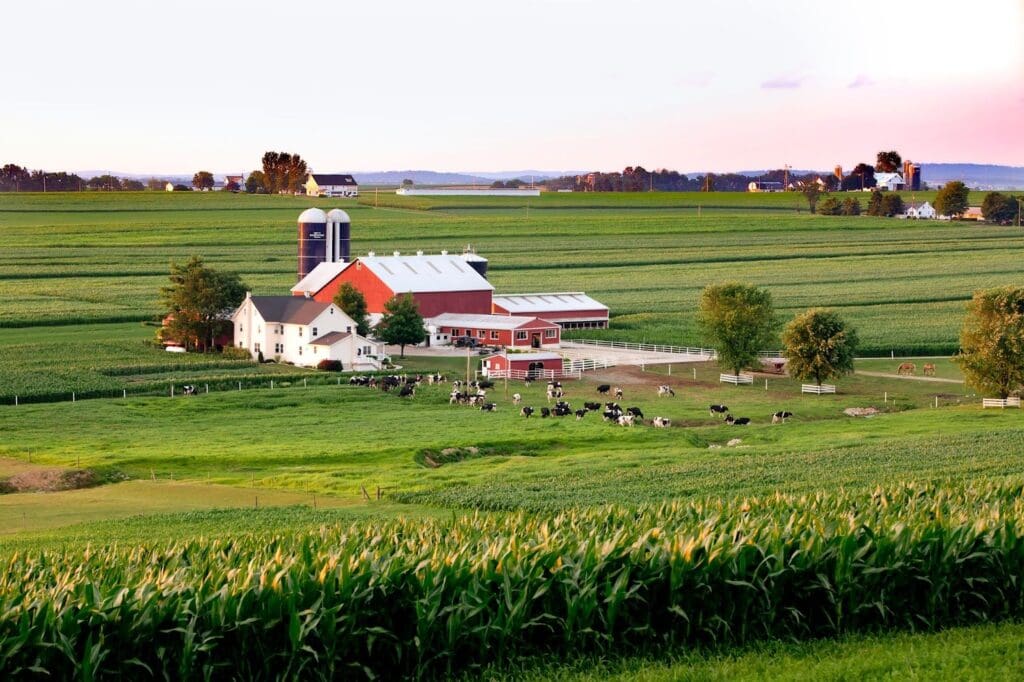
Farm lines of credit give agricultural businesses a set amount of money they can access on demand, similar to a revolving business account. This flexibility is particularly useful when farmers are unsure of their exact funding needs for the season, require a buffer against cash flow volatility, or need to quickly handle unforeseen expenses. Once approved, the funds are always available up to the credit limit.
Key Benefits of Farm Lines of Credit:
- Exceptional Flexibility: Funds can be drawn, repaid, and re-drawn as needed, up to the approved credit limit. This makes it ideal for managing unpredictable or cyclical costs like feed, seed, fuel, fertilizer, and labor.
- Interest-Only Payments: You generally only pay interest on the money you actually use, not on the total approved credit limit, making it cost-effective for short-term needs and cash flow smoothing.
- Ready Access to Capital: A Farm LOC provides an immediate safety net for unexpected expenses or delays in income (such as waiting for harvest or commodity payments), ensuring operations continue without disruption.
- Seasonal Alignment: Repayment schedules can be structured to align with the farm’s seasonal income, often requiring payment once per year after the primary harvest or sales cycle.
- Revolving Credit: As you repay the balance, the funds become available again without having to reapply, making it a sustainable tool for managing operating expenses year after year.
- Preserves Working Capital: Using the LOC for daily expenses keeps the farm’s savings safe for long-term investments or emergencies, rather than tying it up in short-term expenses.
- Livestock Loans
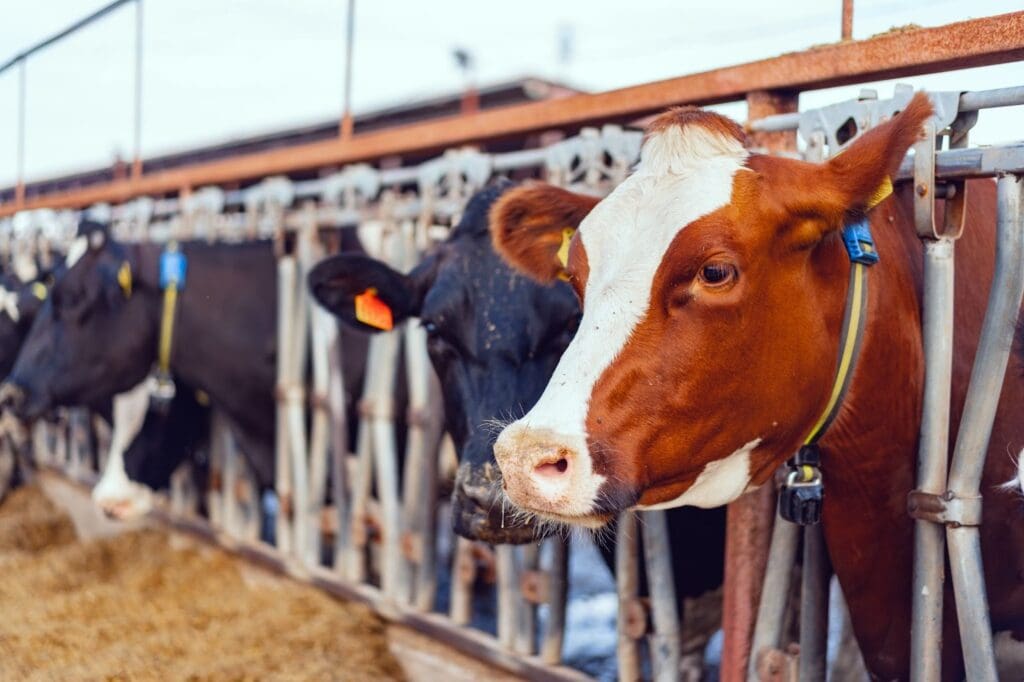
These agricultural loans provide essential capital for animal husbandry, covering both operational costs (buying feed and caring for animals) and capital investments (building or improving necessary structures like barns).
The specific loan terms for livestock financing are not standardized but rather are tailored to the unique risk factors associated with the operation. This could include the type of livestock, herd size, market dynamics, and the borrower’s creditworthiness.
Key Benefits of Agricultural Livestock:
- Cash Flow Management: Provides immediate capital to purchase, feed, and care for animals, allowing farmers to take advantage of market opportunities without waiting for cash flow from existing operations.
- Flexible Terms Repayment: Schedules are often customized to the production cycle of the livestock (for example, shorter terms for feeder animals, or longer terms for breeding stock), aligning payments with income from sales.
- Collateral Options: The livestock themselves can often serve as the primary collateral for the loan, especially in the case of feeder loans. This potentially preserves other assets like land or equipment.
- Enables Expansion: Allows a farmer to quickly expand their herd size or diversify their operation by adding a new type of livestock, leading to higher potential yields and revenue.
- Specialized Rates: As a specialized agricultural product, these loans may offer more favorable interest rates and terms than general commercial business loans, especially through agricultural-specific lenders and community banks like Bank of Bird-in-Hand.
- Operating Loans
Regardless of whether a farm is large or small, farm operating loans offer a great solution for bridging seasonal cash flow gaps. These short-term agricultural loans ensure that farmers have the funds readily available for daily expenses like seed, fertilizer, fuel, and labor, keeping the production cycle moving smoothly.
Key Benefits of Operating Agricultural Loans:
- Covers Essential Inputs: Provides the necessary capital for seasonal expenses like seed, fertilizer, feed, fuel, chemicals, and labor, ensuring production can start on time and at scale.
- Bridges Cash Flow Gaps: Essential for the cyclical nature of farming, allowing you to pay for expensive inputs long before revenue from harvest or sales is received.
- Short-Term Debt: Loans are designed to be self-liquidating (repaid when the product is sold), meaning the debt burden does not stretch over decades, improving the farm’s overall liquidity and balance sheet.
- Flexible Use: Funds can be used for a wide variety of short-term needs, including minor equipment repairs, family living expenses (while the crop is growing), and even debt refinancing under specific conditions.
- Customized Repayment: Repayment terms are specifically structured to align with the harvest or sales cycle of the commodity, for example, due in 12 months, or when livestock are sold.
- Supports Beginning Farmers: Programs may offer operating agricultural loans with special terms, lower rates, and more flexible requirements for new or underserved producers.
Understanding Agricultural Loan Requirements
Agricultural loan requirements will vary based on the lender. Typically, to successfully apply for an agricultural loan, lenders will need to verify your income to ensure you can comfortably repay the loan, as well as look at your credit score to determine if you qualify.
If you’re a first-time farmer struggling to build credit, remember your score is just one factor. You can improve your eligibility by doing the following:
- Leveraging government programs.
- Partnering with established farmers.
- Seeking alternative credit.
- Checking local agricultural support programs.
Before signing any loan agreement, use agricultural loan calculators and tools to compare all options (rates, terms, and fees) to ensure the loan perfectly aligns with your farm’s needs. Furthermore, consider consulting with local agricultural lending experts for personalized advice.
You may also want to consider choosing to partner with a community bank, like Bank of Bird-in-Hand. We understand the specific cycles, challenges, and opportunities within the farming industry in Central Pa. That means we can support our customers seeking agricultural loans in a way that a large, one-size-fits-all bank might not.
Supporting Farmers Through Smart Financing
When local farmers and aspiring agricultural businesses consider financing their next big step, partnering with a community bank like the Bank of Bird-in-Hand can make all the difference.
By working closely with programs from the EDC Finance Corporation, we offer agricultural clients access to personalized financing that goes beyond traditional lending. Together, we’re not only strengthening the agricultural sector in Lancaster County but also providing local producers with the financial tools they need to grow.
About EDC Lancaster County
EDC Lancaster County is a private, non-profit, non-government organization focused on strengthening the local economy. The organization works directly with local businesses, farmers, developers, lenders, public agencies, and community partners to support expansion, investment, and job creation.
Through collaboration and access to specialized financing, EDC helps enhance community well-being, improve the quality of life for residents, and promote the sustained growth of Lancaster County’s economy.
Related Blogs
07/10/2025
Everything You Need to Know About Agricultural & Commercial Loans
10/01/2025
Local Impact, Personal Touch: 4 Community Banking Benefits