05/05/2026
How to Prevent Scam Calls and Texts: 5 Prevention Tips
There are many ways technology today makes our lives easier. We’ve become accustomed to depending on our devices to help us perform some of, if not most of, our daily tasks.
While technology has made communication much easier and streamlined, it has also opened the door for unique risks, one of which is the threat of scammers. Continue reading to learn how to prevent scam calls and texts in order to keep you and your money safe.
5 Ways to Prevent Scam Calls and Texts
According to researchers, 73% of U.S. adults have experienced online scams at some point, whether it be from emails, texts, or phone calls. And as technology has advanced, so have scammers in their tactics.
Understanding how to prevent scam calls and texts is essential in helping to keep your personal and financial information safe.
While it may seem daunting, learning how to prevent scam calls and texts is actually quite simple and is worth it for your peace of mind in the long run. Below, we’ve broken down five easy ways you can start preventing scam calls and texts today.
- Don’t Answer Unknown Numbers
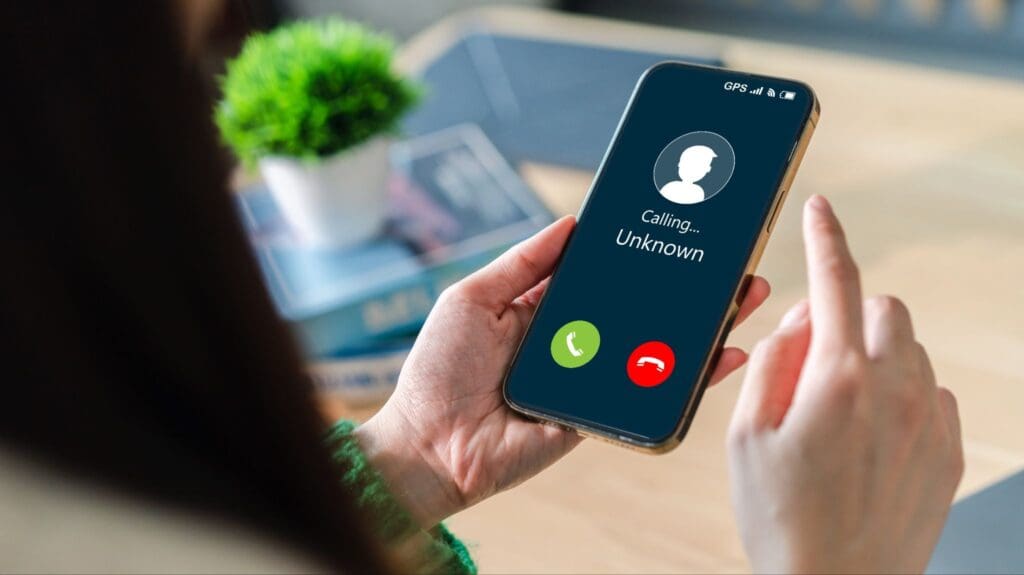
The first rule of thumb to remember when learning how to prevent scam calls and texts is never to answer an unknown or suspicious number.
Legitimate organizations will leave a message if they need to get in contact with you. So, when you don’t recognize a number calling you, it’s best not to answer and let it go to voicemail. If it’s important, they will leave a message or find another way to get in touch.
This goes for text messages as well. If you receive a text from an unknown number, it’s best not to reply, even if it says to reply “STOP” to opt out. Scammers can use any reply as confirmation that your number is active, which may lead to more unwanted calls and texts.
- Avoid Clicking Suspicious Links
One of the most frequent ways scammers target individuals over text is by sending messages with links that lead to fake websites designed to steal your information. These links may seem legitimate, but just by clicking on them, you may put yourself at risk.
If you receive a suspicious link in a text message from an unknown number or in an email from an unknown address, don’t click on it immediately. First, try to identify where it came from and why. For example, if it is a medical organization asking about a bill or payment, call the organization outright instead of responding through the message or link.

- Be Cautious of Urgency
A common tactic scammers use to catch individuals off guard is by creating panic. They do this in hopes that you will act before you have time to think clearly. For example, they may claim your account is compromised, and they need you to verify some information, or your device is corrupted, and insist that immediate action is required.
Some scammers may even take it a step further, falsely insisting that you or a loved one is in danger. This could be anything from threatening to arrest, sue, or deport you to claiming a family member had an emergency or is in need of money immediately.
When learning how to prevent scam calls and texts, it’s important to remember to take a moment to pause before responding and verify that the issue they’ve brought to your attention is real. You can do this by contacting your bank or another trusted source that can confirm whether or not you have any cause for concern.
- Watch for Unusual Requests
Another major red flag to watch out for when learning how to prevent scam calls or texts is unusual payment requests. Oftentimes, scammers will insist you pay a specific way, whether it be through gift cards, wire transfers, or cryptocurrency.
In other instances, they may even send you a check (which you will find out later is fake) and request that you deposit it and then send the money. If someone contacts you with an unusual request for payment, do not engage. Instead, take the necessary steps to verify the source and report it.
- Register for the Do Not Call List
Finally, one of the best things to do when learning how to prevent scam calls and texts is to register for the do-not-call list. This may not stop all scammers, but it can reduce legitimate telemarketing calls as well as make suspicious ones easier to spot.
5 Steps to Take If You’re Targeted
Even if you know how to prevent scam calls, it’s still possible to be targeted. If this happens, it’s important to follow the steps below to protect yourself.
- Never Share Personal Information
It’s important to remember that banks and legitimate companies will never ask you for sensitive information like passwords, PINs, or full Social Security numbers over the phone or through text messaging.
That being said, if you receive a call or text asking for personal or financial information, do not engage. Instead, contact your bank or the company directly to find out more information.
- Verify the Source
Scammers will sometimes claim to be from a well-known organization or company you think you can trust. For example, many will say they are from the Social Security Administration, the IRS, Medicare, or a company like PayPal.
If you receive a call or message claiming to be from your bank or an organization you believe is legitimate, the first thing you need to do is contact them directly. When doing this, remember to use a trusted phone number, like one listed on their website, not the one provided in the message.
- Report the Scammers
If you’re sure you have experienced a scam call or text, you should report it immediately. Take note of the number that called you or any number left in a voicemail or text message. Then, consider making a report by doing one (or more) of the following:
- Calling the FTC at 1-877-382-4357
- Filing a complaint online at ftc.gov/complaint
- Making a phone complaint online at consumercomplaints.fcc.gov/
- Reporting Do-Not-Call List violations at DoNotCall.gov
- Contacting your state attorney general

- Block & Filter Unknown Numbers
Fortunately, most smartphones and carriers offer built-in features or apps to help prevent scam calls and texts before they even reach you. Consider looking into what tools are available to you and take the time to set them up.
Remember, if you need help, you can always contact customer support for assistance. Some common carrier tools available for blocking scammers include:
- Verizon’s Call Filter: Blocks both robocalls and spam messages.
- T-Mobile’s Scam Shield: Detects and blocks scam calls/texts and provides a caller ID for unknown numbers.
- AT&T’s ActiveArmor: Blocks calls/texts from email addresses and detects spam sources
- U.S. Cellular: Stops spam, unwanted, and illegal calls with advanced filtering and blocking protection.
You can also block the number right on your phone immediately. How you do this will depend on the type of device you have; for iPhones or Androids, you can follow the steps below.
For CALLS on an iPhone:
- Open the Phone app
- Tap Recents
- Tap the Info icon next to the number you want to block
- Choose Block This Caller/Block Contact
For TEXTS on an iPhone:
- Open the message
- Tap the phone number at the top
- Select Info
- Choose Block This Caller/Block Contact
For CALLS on an Android:
- Open the Phone App
- Select Recent Calls or Call History
- Tap the number you want to block
- Choose Block/Report Spam
For TEXTS on an Android:
- Open the message
- Tap the three dots in the upper-right corner
- Select Block/Report Spam
You can also use tools on your device to filter potential spam calls and messages. This will add an extra layer of protection.
On an iPhone:
- Go to Settings
- Click Messages
- Toggle on Filter Unknown Senders
On an Android:
- Open the Phone App
- Go to Settings
- Click Caller ID & Spam
- Enable Filter Spam Calls
- Contact Your Bank
Finally, if you have experienced a scam call or text message regarding personal financial information, you should contact your bank immediately. This is especially important if you provided any type of sensitive information. Your local bank can help you navigate the best steps forward to keep you and your money safe.

Interested in learning more about how we can help? Contact our team at 717-768-8811 to talk today.
Related Blogs
10/05/2026
A Bank Customer Fraud Story: How Our Honey Brook Team Stopped a $20,000 Scam
08/20/2026
Safeguarding Your Identity: A Guide to Preventing Synthetic Identity Fraud
07/09/2026
Annual Bank of Bird-in-Hand Community Picnic